Why High-Altitude Nepali Green Tea Is Special
Nepali green tea grows between 1,500 and 2,100 meters above sea level in pristine Himalayan air. The intense ultraviolet sunlight at high elevations prompts tea bushes to produce abundant catechins (specifically EGCG), while cold mountain nights concentrate L-theanine—an amino acid celebrated for fostering calm mental clarity.
Unlike mass-produced low-elevation commodity teas that often taste flat or unpleasantly astringent, high-altitude Nepali green tea provides a velvety mouthfeel with natural sweet snap pea notes, roasted chestnut nuances, and a lingering floral finish.
Pan-Fired Craftsmanship vs. Steaming
Our artisan producer partners in Taplejung and Ilam use gentle pan-firing techniques to halt leaf oxidation within hours of morning plucking. This artisan process imparts warm, nutty, and subtly toasted undertones rather than the intense marine seaweed notes common in steamed green teas.
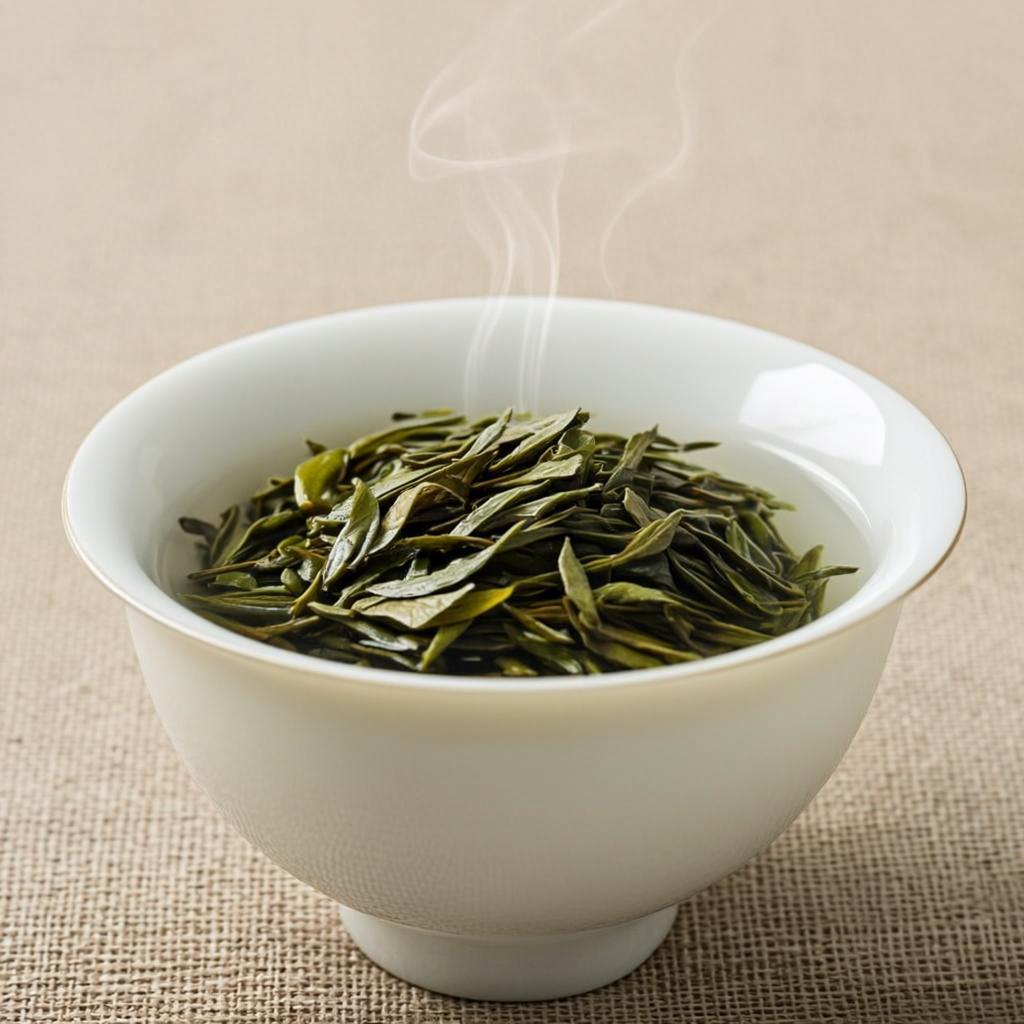
Because leaves are whole and hand-rolled, they retain their cellular integrity and essential oils, allowing you to steep the same leaves two or three times without loss of nuance.
Health Benefits and Antioxidants (EGCG)
Because green tea undergoes zero enzymatic oxidation, it retains the highest natural concentration of polyphenols among all Camellia sinensis varieties. Clinical studies have investigated EGCG and catechins for their role in cardiovascular wellness, cellular defense, and metabolic support.
Paired with roughly 25–40mg of natural caffeine per cup, Nepali loose-leaf green tea provides sustained daytime focus without coffee jitters.
Frequently Asked Questions
How is Nepali green tea different from Japanese or Chinese green tea?
Nepali green tea benefits from young, high-altitude Himalayan soil and pan-firing, producing sweet, nutty, and floral flavors with significantly lower bitterness than sea-level teas.
Can I re-steep loose leaf green tea leaves?
Yes! High-grade whole leaves like Himalayan Emerald can easily be steeped 2 to 3 times. Increase water temperature slightly to 82°C on your second and third infusions.
How much caffeine does green tea contain?
A standard cup contains approximately 25 to 40mg of caffeine—about one-third of a cup of drip coffee. Its L-theanine content delivers calm, sustained alertness.